
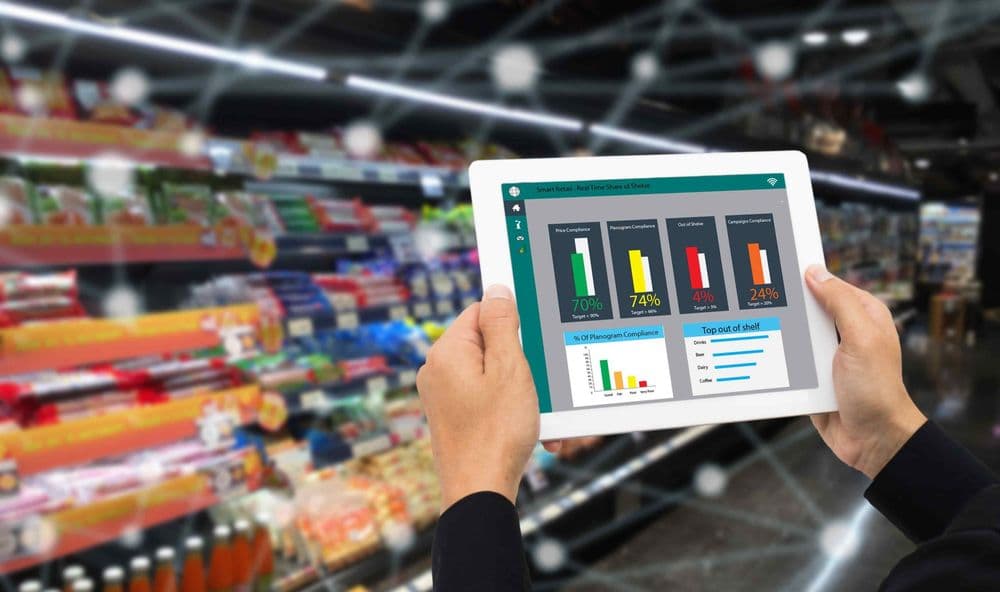


Understanding IoT and Best Practices for Building Software for Consumer IoT
Whether you’re a tech person or not, I am sure you’ve come across the term IoT. IoT has gained a lot of popularity in the past decade or so owing to the dawn of ‘smart’ appliances. Be it home lighting or tiffin boxes, everything today has a smart edge.
The emergence of IoT is an integral part of the fabled Industry 4.0 revolution!
What is IoT?
Internet of Things (IoT) is any device (or group of devices) with sensors, that can connect to the internet and to a software (backend infrastructure) which will collect, exchange, and analyze data; derive inferences out of it and give some intelligence to the users/business.
In short, IoT devices are incomplete without an active connection with the internet or other communication networks and a software interface to control/manage the device and store & analyze the data collected from the IoT sensors.
Be it your latest smartwatch, or a swanky mood lighting system, the IoT revolution is everywhere.
Applications of IoT:
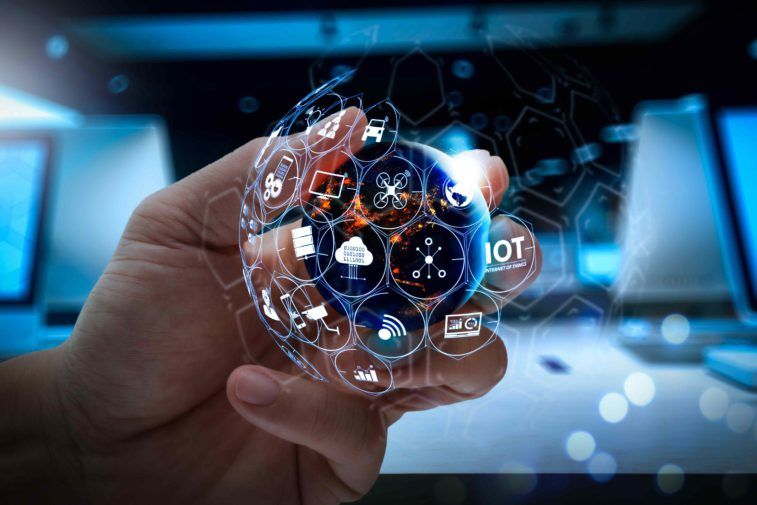
IoT has applications in many areas including Healthcare, Logistics, Agriculture, Hospitality, Smart Energy, Smart Cities, Automobile, and Supply Chain Management. IoT sensors in vehicle fleets are helping track fleet status in real-time while smart grids have revolutionized electricity delivery. IoT sensors in medical devices are also helping save lives by monitoring patient’s condition in real-time and alerting doctors when attention is needed.
There is practically no area that IoT hasn’t touched!
One such vital area of IoT application is Consumer IoT. Consumer IoT means nothing but consumer devices (like watches, lights, tiffins etc.) connecting to the infrastructure and giving users the control to operate these smart devices via a software interface.
We, at IncubXperts, have extensively been building software solutions for the consumer IoT domain.
Ranging from a mobile app which ensures that a hot meal is always ready for you to a gamified mobile solution which is helping wood stove users in North America to reduce the environmental impact of their stove. We have built these solutions on an IoT platform using MQTT or HTTP communication along with an IoT board to communicate with the server.
7 Things to Keep in Mind While Building Software for the Consumer IoT Domain:
1. Security
Given that IoT devices are connected to the internet, it makes them vulnerable to malware or malicious activity.
Which makes it paramount to have a provision for the security of the IoT device(s).
Security To do’s for IoT software:
- Ensure that the device is always secured, and only authorized components can communicate with the device.
- Secure the device and make sure that only authorized & authenticated devices can communicate with IoT.
- Leverage platforms like Azure IoT or AWS IoT having inbuilt secure provisioning mechanism.
- The device gets provisioned using these mechanisms which are secure and only allow certificate sign-in payloads to be sent.
2. Having a Provision to Update the Device on the Fly

Suppose you’re looking to implement an IoT solution for an industry having thousands of devices already deployed in the field, and then you find a bug in the device. To overcome such an issue, it makes sense to have an OTA (Over the Air) provisioning mechanism in place. Just like our mobile phones receive the latest updates, OTA will enable IoT devices to receive instant updates.
- Mongoose OS or Raspberry Pi can be used as ready-to-use solutions.
- Smaller devices like ESP32 or ESP8266 have a provision of receiving OTA updates using operating systems like Mongoose.
3. Scalability
If your product finds its rightful place in the market, the sales will skyrocket, and you will soon have millions of devices connecting to your server architecture. Therefore, it’s vital to have scalability designed in the overall infrastructure design to handle peak loads, base loads, or spiky loads effectively.
4. High Availability
All IoT devices which are deployed in the field are totally dependent on your backend infrastructure.
If there is no server listening to them or controlling them, these devices become orphaned & cannot be used as you can’t communicate with them.
Designing a highly available infrastructure is key to ensuring high availability.
5. Adding an Offline Capability to the Firmware
When you’re designing a solution for an IoT-based platform, it is important to consider scenarios wherein internet connection is not available to the devices.
How does offline sync work?
- Cloud platforms like Azure IoT or AWS IoT provide shadow images of a device.
- Data collected when the device is offline is stored in the device database and then sent to the server once connectivity is restored.
This is an important aspect to consider in situations when your device has no connectivity, and you still want to collect the data.
6. Storing and Analyzing Data
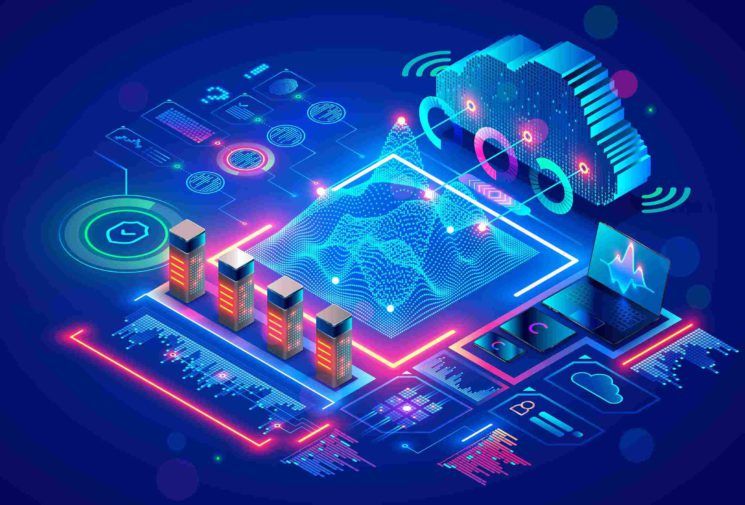
IoT devices generate a lot of data. For instance, an industrial device sending temperature levels continuously to the server requires significant storage. It is essential to consider how to capture & store this data to ensure that it can be used for analysis and BI reporting.
How to manage a continuous data stream from thousands of IoT devices:
- Provision enough storage based on data volume and performance requirements.
- Adopt a serverless architecture to handle spikes seamlessly.
- Implement event-driven architecture to manage server activity based on specific field events.
Technologies like Azure functions & AWS Lambda can be used to handle voluminous data efficiently.
7. Choice of Technology
Recommendations for building software for IoT:
- Firmware: Python, ESP8266 platforms, or Cross compilers.
- Server Side: C#, Node.js, Python for handling events and data processing.
- Data: Use NoSQL databases like MongoDB, Firebase, Cosmos DB for initial data capture.
- Interfaces: Web interfaces can be designed using Angular or similar technologies. For mobile apps, consider Flutter or native development.
- Analytics: BI tools and Machine Learning models can be implemented to analyze data and draw meaningful insights.
Once the IoT solution starts getting adopted, analyzing how users interact with the system and improving user experience based on data insights is key to long-term success.
Conclusion
A game changing technology like IoT is here to stay and grow.
If building an app to pair up with your IoT product is something on your chart, make sure that your application development partner understands and incorporates all the best practices. We at IncubXperts have gained considerable expertise in building solutions for the consumer IoT domain. Take a look at our case stories to know more.
