



How PI Planning Drives Alignment and Performance in Software Engineering
In today’s fast-paced software development landscape, aligning multiple teams around a shared mission can be challenging. Program Increment (PI) Planning, a core practice in the Scaled Agile Framework (SAFe), solves this by helping organizations sync strategy with execution every quarter.
What is PI Planning?
PI Planning is a two-day event typically held every 8–12 weeks. It brings together everyone involved in delivering value—from developers and testers to product managers and stakeholders—to collaboratively plan the upcoming increment of work. The goal is to align teams on a shared vision and ensure a clear understanding of objectives, risks, and dependencies.
Benefits of PI Planning:
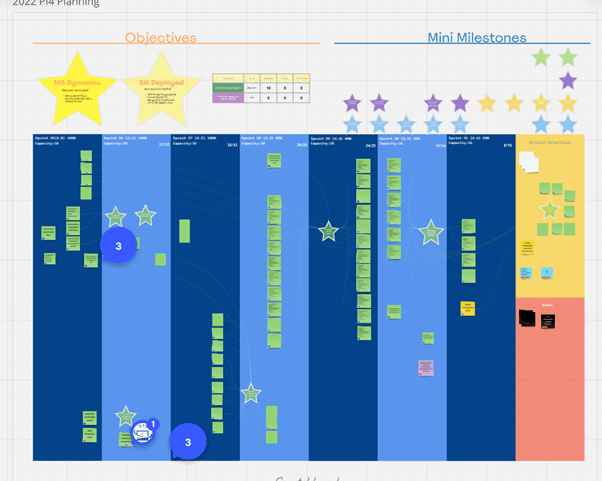
- Alignment & Transparency: Creates a shared understanding of business goals and team objectives.
- Proactive Risk Management: Teams identify risks early and collaboratively develop mitigation strategies.
- Commitment & Accountability: Shared planning builds ownership and fosters a performance-driven mindset.
Key Phases of PI Planning
1. Preparation
Effective PI Planning begins with thorough preparation. This includes defining the agenda, aligning on business and team objectives, and ensuring that all necessary resources—like meeting rooms, collaboration tools, and planning materials—are ready. Pre-PI stakeholder meetings help gather input, align on priorities, and surface risks.
2. Draft Plan Review
Each team presents a draft plan outlining their objectives, key features, and tasks. They identify internal and external dependencies, brainstorm potential risks, and receive feedback from other teams and stakeholders. This feedback helps to uncover misalignments and refine the plan.
3. Final Plan Review
After incorporating feedback, teams present their final plans. These include detailed roadmaps with breakdowns of features, task lists, and timelines. Visual tools such as Kanban boards or Gantt charts can be used to enhance clarity.
4. Confidence Vote
At the end of the session, each team member votes on their confidence in the plan using a scale of 1 to 5. If scores are low, concerns are discussed and addressed. Once resolved, teams reaffirm their commitment, ensuring everyone is aligned and ready to execute.
Best Practices for PI Planning:
- Engage All Stakeholders: Involve everyone early to gather diverse perspectives and ensure alignment.
- Foster a Collaborative Environment: Encourage open communication and teamwork to drive shared ownership.
- Focus on Continuous Improvement: Hold retrospectives after each PI Planning to refine the process and outcomes.
Conclusion
PI Planning is more than a routine event—it’s a strategic initiative that ensures teams are aligned, risks are mitigated early, and objectives are clear. When done well, it transforms how software engineering teams deliver value, quarter after quarter.
