



A powerful quality assurance (QA) strategy is essential to software delivery as it prepares your product for an efficient release. While you may already have a QA strategy in place, it is important to assess it regularly.
In this blog, we will share our experience and learnings of how redefining the Quality Assurance process has helped us add value to not only the application but the business and the end user as well.
Ways to Add Value to The Business Using a Refined QA Approach
A good QA approach always begins with building strong groundwork before designing and executing test scenarios/test cases to understand certain aspects of the project.
Here are some keys to building a solid groundwork:
1. Understanding the Goal Behind Developing the App
The importance of clearly understanding goals and objectives in software testing is immense. It is the first thing that helps get across the value of the QA strategies to clients. Gaining this kind of visibility into the bigger picture gives a better perspective on the application under test. It helps define test scenarios and test cases in a more effective manner.
2. Consider the Technology Stack and Tools Which Will Be Used in The Project
Once a QA process is in place, it is essential to consider the different types of testing techniques and approaches that exist and the tools testers will use. Choosing the right tools ensures that your software is tested comprehensively without missing any requirements.
Some popular tools include:
- Jira – A powerful work management tool that helps teams plan, assign, track, report, and manage work.
- Selenium – A popular tool for Automation Testing that does not require advanced scripting knowledge and is user-friendly.
- BrowserStack – A tool that enables testers to test their apps across different devices, browsers, and operating systems.
3. Consider End User’s Expectations
Another important aspect is to make efforts to understand the expectations of the end users.
Make sure to build a robust understanding of the user persona, the main characteristics of the typical user, app user profiles, frequency of use, how the application will help them, and so on.
Some steps that can help include:
- Thoroughly analyzing potential users’ needs
- Researching competitors early on
- Clearly defining the issue or problem the app is going to solve
- Prioritizing aspects such as application performance and ease of use
4. Consider the Complexity of The Project
In any software development process, QA testing takes a unique and complex position where testers are responsible for ensuring that the code developed in a project is bug-free and works in full alignment with the technical and general requirements of the business.
This means that QA needs to have a comprehensive understanding of each module of the project and how they can accomplish the same.
They should also have clarity on things that can go wrong and how they can leverage technical/digital innovations to stay aware of new threats/bugs to test for.
5. Release Procedures Being Followed in The Project
Lastly, testers need to be fully aware of the release and deployment process. If the release procedures aren’t followed in the project or if the deployment team encounters challenges or issues in deploying the code properly, it can lead to bugs tied to the release environment or deployment process.
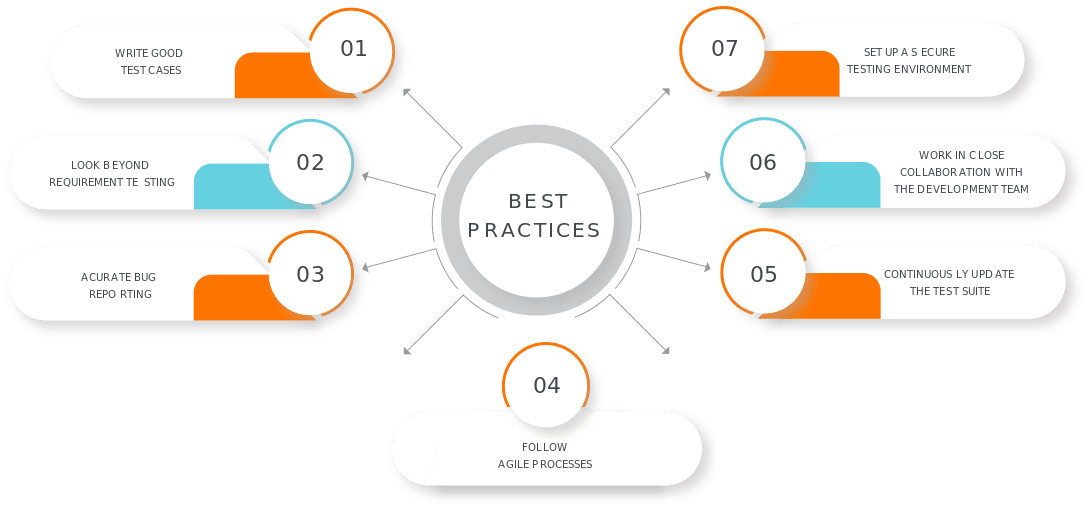
Best Practices to Improve the QA Process
1. Set up A Secure Testing Environment
A QA should always ensure that they have all the necessary inputs and testing environment setup ready before executing test cases. Having a dedicated environment for testing helps isolate the code and get accurate feedback about the quality of the application.
Examples include:
- Access to the application
- Permission to edit/delete queries
2. Work in Close Collaboration with The Development Team
Working closely with the development team helps to troubleshoot and fix errors effectively. However, all requirements should be confirmed by BA/PM or the product owner in case of any queries or ambiguity.
3. Continuously Update the Test Suite
Review and update the test suite at regular intervals. If you discover new corner cases, scenarios that were earlier not envisioned, or if the underlying application behavior changes, the updated test suite will ensure that the application performs at its best.
4. Follow Agile Processes
Adopting agile methodologies prioritizes smaller targets to be handled in smaller increments with greater speed. Integrating QA processes in an Agile environment helps ensure that the testing process is continuously enhanced and the product meets the required standards of quality.
5. Write Good Test Cases
Write test cases in the requirement analysis and design phase itself. This ensures that all requirements are testable.
While writing test cases:
- Start with intended functionality (valid conditions as per requirements)
- Then write test cases for invalid conditions to cover unexpected behavior
6. Look Beyond Requirement Testing
Another best practice is to test the application for what it is not supposed to do. This helps in preventing bugs, reducing development costs, and improving the performance of the application.
7. Accurate Bug Reporting
Ensure that bug reports are clear, descriptive, and unambiguous. Effective bug reporting helps avoid miscommunication or confusion with the development team.
When it comes to software development, a good QA focuses not only on the app testing aspect but takes a holistic approach to ensure true quality assurance. They look at every possible area that defines the software quality, including its usability and overall customer experience.
When multiplying value with a redefined QA approach, a qualified QA engineer remains organized, adjusts priorities, and maintains great attention to detail. They work closely with the product team to mutually release quality features and thoroughly document issues to minimize the time it takes a developer to resolve them.
Conclusion
Overall, multiplying business value with a structured QA approach is the primary responsibility of a good QA. They must act as a partner to the software developer with the goal of having the most smooth and seamless release possible.
Leveraging this philosophy to our QA endeavours has not only helped us ensure sustained quality but is also enabling us to deliver value throughout the software product ecosystem.
