


Introduction
Welcome to my take on the evolution of DevOps! Before diving into DevSecOps, the important thing for you, dear reader, is to get familiar with the Key Teams in the Software Development process, and what are the challenges we face before DevOps.
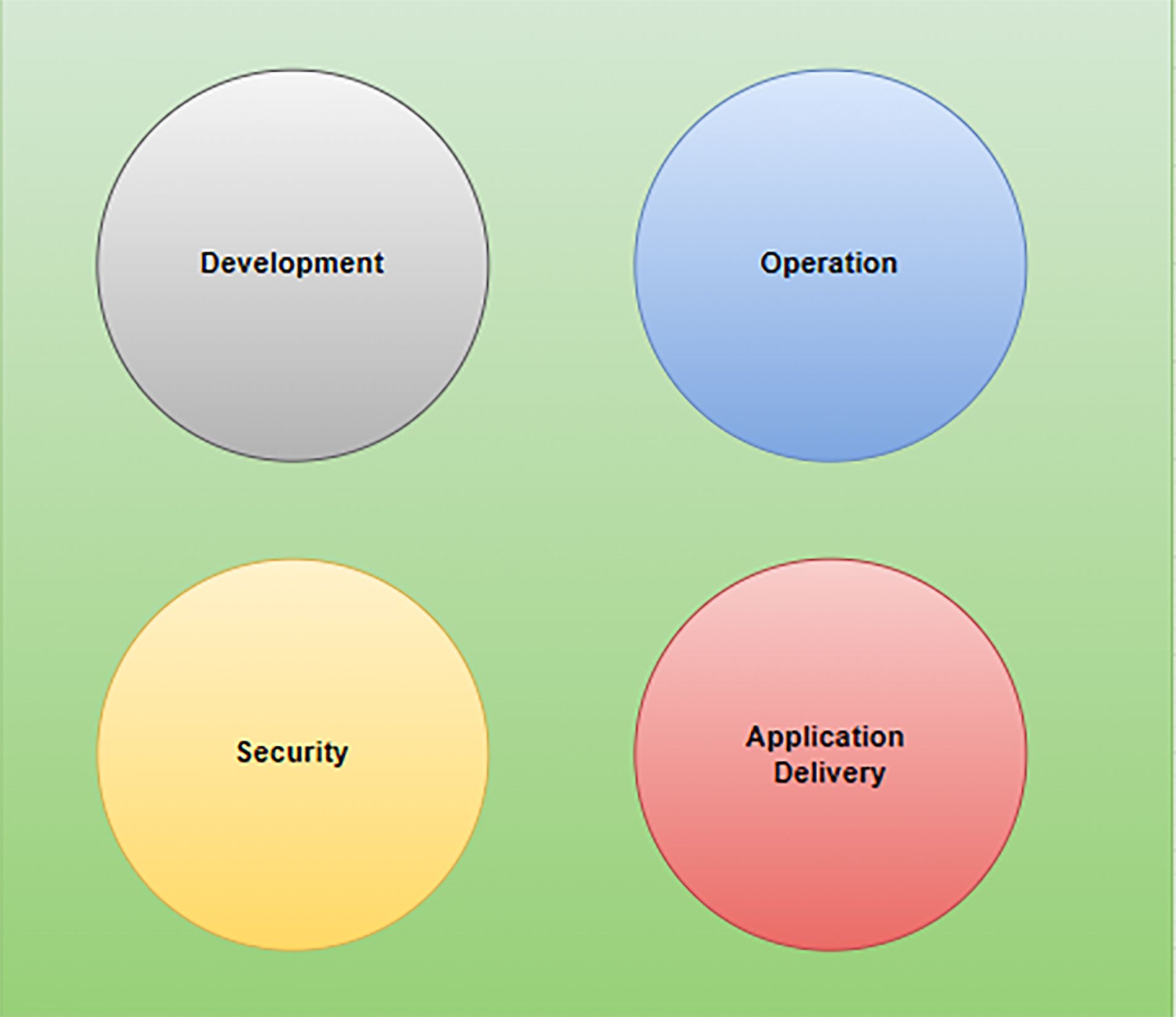
Key Teams in Software Development
- Development Team: Responsible for developing and testing applications.
- IT Operations: Prepares and manages the IT infrastructure for hosting applications.
- Application Delivery: Deploys the source code to the infrastructure managed by IT Operations.
- Security: Ensures the security of infrastructure, networking, and applications.
Pre-DevOps Era:
In the Pre-DevOps era, the software development process was often fragmented and siloed, leading to several inefficiencies and challenges:
-
Development Team: Developers focused mainly on writing code and performing initial testing. They had little involvement in the deployment and operational aspects of the application, leading to potential issues when the code was handed off to other teams.
-
IT Operations: The IT Operations team managed the infrastructure required to host the application. Minimal interaction with the development team resulted in misalignments and delays when the application was deployed, as infrastructure needs and limitations were not fully understood or addressed during development.
-
Application Delivery: The process of deploying the application was manual and error prone, resulting in longer release cycles and slower delivery of new features and updates to users.
-
Security: Security checks were typically performed late in the development cycle, usually just before deployment. This meant that vulnerabilities and security issues were often discovered at the last minute, requiring rushed fixes that could introduce further problems or delays.
Collaboration and Automation
Collaboration was limited, and automation was rare. Manual processes dominated, making it difficult to achieve reliable software delivery.
DevOps Era
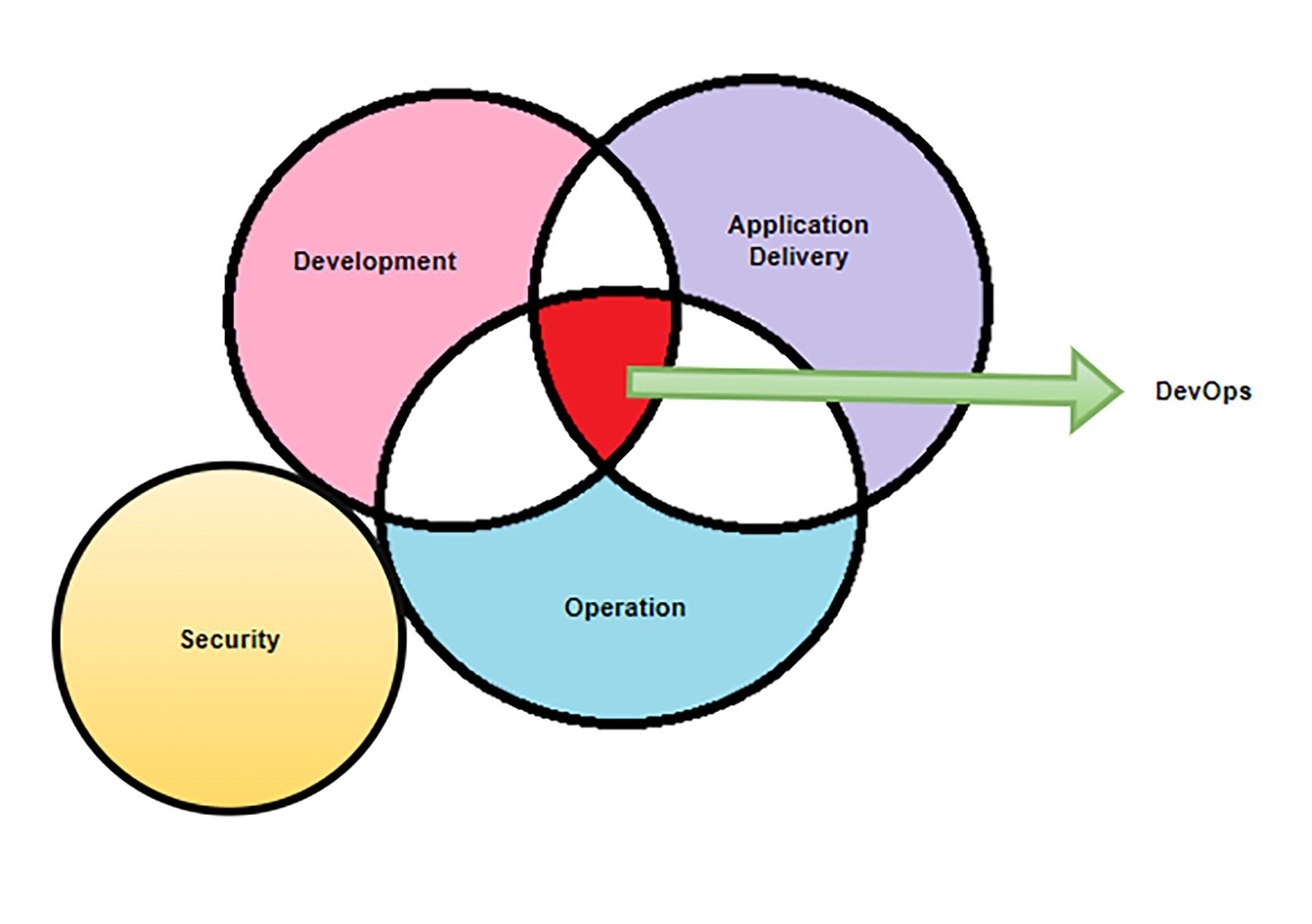
The advent of the DevOps era focused on improving teamwork, automating tasks, and boosting communication between teams. This helps to break down barriers and make the software development process more efficient and streamlined.
Key Aspects of DevOps Collaboration
- Development Team: Works closely with IT Operations to ensure that the code they write is both functional and deployable. This collaboration ensures that the development process considers operational requirements, reducing issues during deployment.
- IT Operations: Collaborates with developers to streamline the provisioning and management of infrastructure. This cooperation helps in creating an environment that supports efficient deployment and scalability, ensuring infrastructure needs align with development efforts.
- Application Delivery: Focuses on automating the deployment processes. Automation reduces manual errors and accelerates the release cycles, ensuring that updates and new features are delivered quickly and reliably.
- Security: Although not fully integrated into the early stages of development, security considerations begin to be addressed earlier in the process. This means that basic security measures and compliance checks are implemented during development, rather than as an afterthought, helping to identify and mitigate potential vulnerabilities sooner.
Collaboration and Automation in DevOps
DevOps introduced continuous integration and continuous delivery (CI/CD) pipelines, enabling automated testing, deployment, and infrastructure provisioning. This era is characterized by:
- Increased Automation: Automated build, test, and deployment processes to ensure faster and more reliable releases.
- Shift-Left Approach: Beginning to incorporate security and quality checks earlier in the development cycle.
DevSecOps Era
In the DevSecOps era, security is deeply integrated into every phase of the software development lifecycle (SDLC). This approach ensures that applications are secure from the ground up through continuous collaboration and advanced automation.
Key Elements of DevSecOps
- Integrated Security: Security practices are embedded throughout the SDLC, from planning and coding to testing and deployment.
- Proactive Measures: Security issues are detected and addressed early in the development process, reducing critical vulnerabilities.
- Cross-Functional Collaboration: Continuous collaboration between development, operations, and security teams fosters shared responsibility.
- Comprehensive Automation: Automated security tools like SAST, DAST, and continuous monitoring tools help swiftly detect and fix security issues.
By embedding security throughout the development lifecycle, DevSecOps enhances application security, fosters collaboration, and ensures proactive risk management.
DevSecOps Defined
DevSecOps is a combination of Development, Security, and Operations. It extends the principles of DevOps by fully integrating security into every stage of the SDLC, ensuring security is a shared responsibility.
Roles in DevSecOps
- Development Team: Incorporates secure coding practices and works closely with security experts.
- IT Operations: Manages infrastructure with a focus on security and compliance.
- Application Delivery: Uses automated security testing tools as part of the CI/CD pipeline.
- Security: Engages from the start, embedding security practices and tools throughout the development and deployment processes.
The Birth of DevSecOps
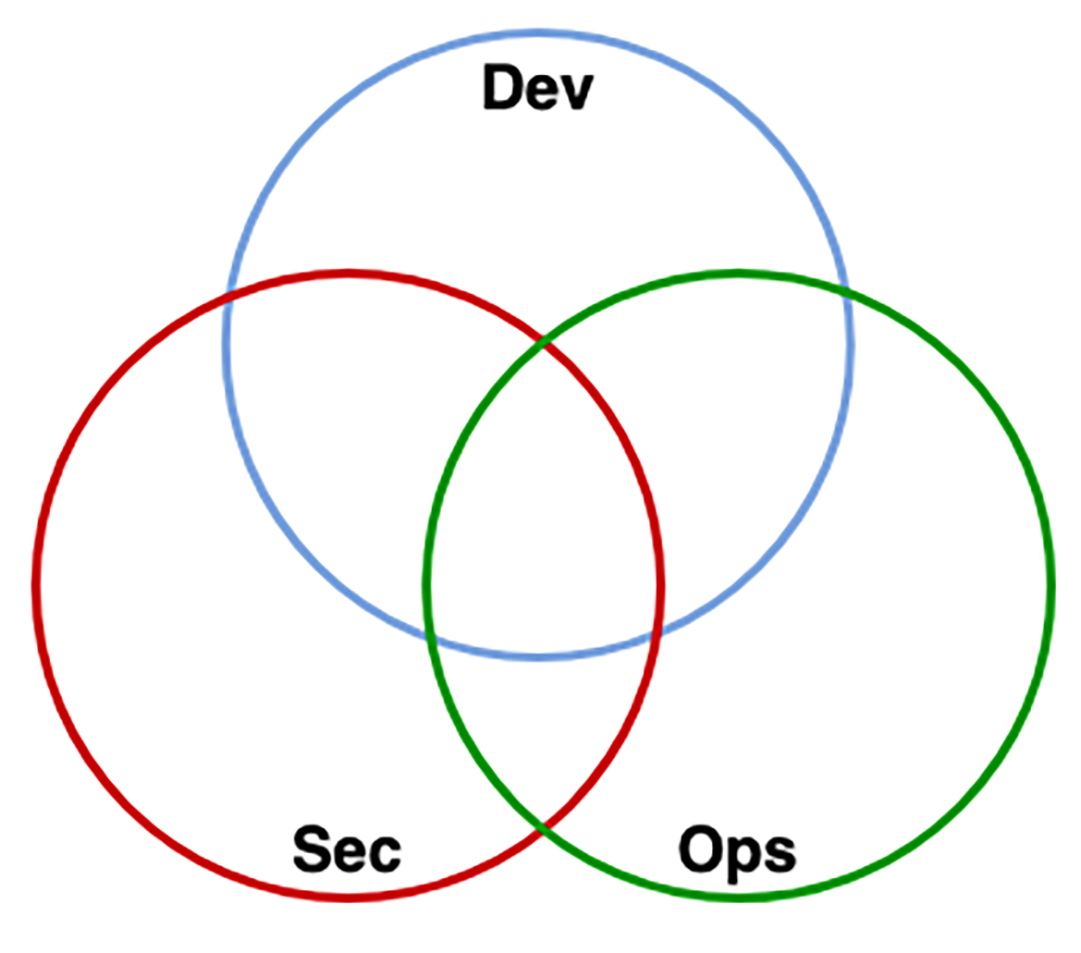
DevSecOps was introduced to address evolving security challenges in modern software development.
Why DevSecOps Became Essential
- Cybersecurity Threats: Growing threats required a more proactive and integrated security approach.
- Shift-Left Philosophy: Security measures were incorporated earlier in the development process.
- Shared Responsibility: Security became a collective responsibility among teams.
- Continuous Delivery: Aligned security with Agile methodologies and CI/CD pipelines.
- Automation Capabilities: AI-driven tools improved security efficiency.
- Regulatory Compliance: Ensured adherence to industry standards.
- Cost-Efficiency: Addressed security concerns early to avoid costly post-deployment fixes.
Difference Between DevOps and DevSecOps
| Technical Aspect | DevOps | DevSecOps |
Primary Focus | Continuous integration, delivery, and deployment. | Integration of security practices into the entire pipeline. |
Security Integration | Security is addressed but often as a secondary concern. | Security is integrated at each phase, adopting a "shift-left" approach. |
Security as Code | Limited emphasis on treating security as code. | Encourages treating security policies and controls as code, known as "Security as Code." |
Automation for Security | Focused on build, test, and deployment automation. | Extensive automated security testing, code analysis, and vulnerability scanning. |
Continuous Monitoring | Monitors performance and system health. | Monitors security threats, anomalies, and compliance adherence. |
Toolchain | CI/CD tools and infrastructure provisioning tools. | Security tools like static/dynamic analysis and penetration testing. |
Collaboration Tools | Focuses on Dev and Ops team communication. | Extends collaboration tools to include security teams. |
Roles | DevOps roles focus on automation, development, and operations. | DevSecOps includes security engineers, penetration testers, and security specialists. |
Shift-Left Approach | Security shift-left may not be fully realized. | Fully implements shift-left by integrating security early in development. |
Risk Management | Risk management is reactive and performance-focused. | Proactively identifies security risks before deployment. |
DevSecOps Tools That Use AI
The integration of Artificial Intelligence (AI) into DevSecOps tools has revolutionized security management in software development. AI-driven tools enhance threat detection, automate security processes, and provide actionable insights.
Popular AI-Driven DevSecOps Tools
| Tool | AI Feature | Purpose |
Snyk | AI-powered real-time vulnerability scanning | Identifies and remediates security vulnerabilities in open-source dependencies. |
Checkmarx | AI-driven static application security testing (SAST) | Provides in-depth code analysis to detect security flaws during development. |
Fortify | AI-powered security analysis | Assesses and manages security risks with actionable insights. |
WhiteSource (Mend.io) | AI-based open-source risk management | Continuously detects vulnerabilities in third-party components. |
SonarQube | AI-powered static code analysis | Identifies security vulnerabilities and code quality issues. |
NeuraLegion (Checkmarx) | AI-driven dynamic application security testing (DAST) | Automates penetration testing for web applications. |
Comparison of DevSecOps AI Tools
| Technical Aspect | Snyk | Checkmarx | Fortify |
Pros | Real-time scanning, seamless CI/CD integration | Advanced SAST, comprehensive vulnerability detection | Robust security analysis, integrates with IDEs and CI/CD |
Cons | Limited language support | Can be resource-intensive | Steeper learning curve, may require training |
Strengths | User-friendly, open-source dependency scanning | Deep code analysis, wide language support | Secure coding best practices, strong security posture |
Conclusion
DevSecOps integrates security into every stage of the SDLC. Addresses challenges of traditional DevOps by incorporating security. Utilizes AI-driven tools for proactive security management. Emphasizes collaboration, automation, and continuous monitoring.
