


Introduction
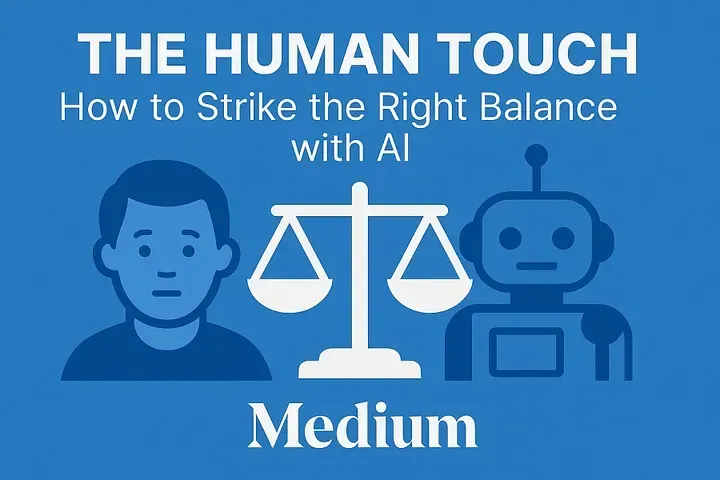
But one question quietly drives every organization experimenting with AI today:
👉 Should we let AI run on its own, or keep humans in the driver’s seat?
It sounds simple, but this single decision shapes the ethics, speed, and reliability of everything an AI system does.
Let’s explore both sides of that coin – and why the sweet spot might be right in the middle.
When Humans Stay in the Loop
Imagine an AI system that reviews thousands of loan applications a day.
It spots trends, flags risks, and scores applicants. But before it approves or denies anyone, a human reviewer steps in to validate edge cases.
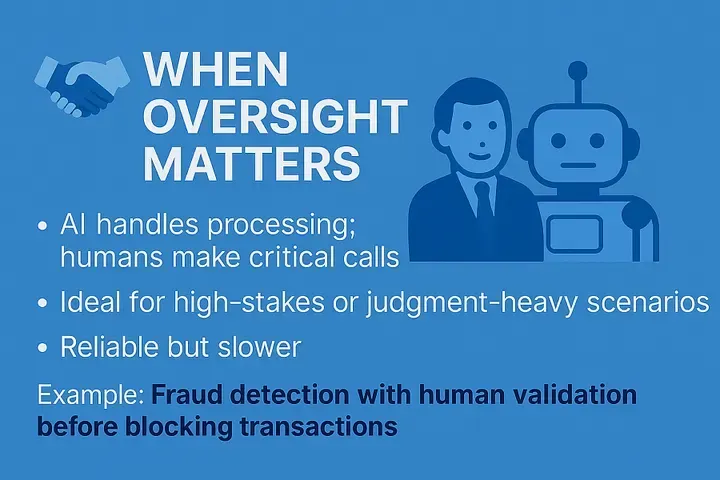
That’s Human-in-the-Loop AI (HITL) – a collaboration between machine precision and human intuition.
What It Really Means
- AI handles the grunt work, humans handle the gray areas.
- It’s great for high-stakes situations – finance, healthcare, compliance – where mistakes are expensive or irreversible.
- It’s reliable, but not lightning-fast. You trade some speed for peace of mind.
In these systems, humans aren’t just “checking AI’s homework.” They’re teaching it judgment – something even the smartest model still struggles with.
When AI Drives Itself
Now picture the other extreme: an autonomous AI workflow.
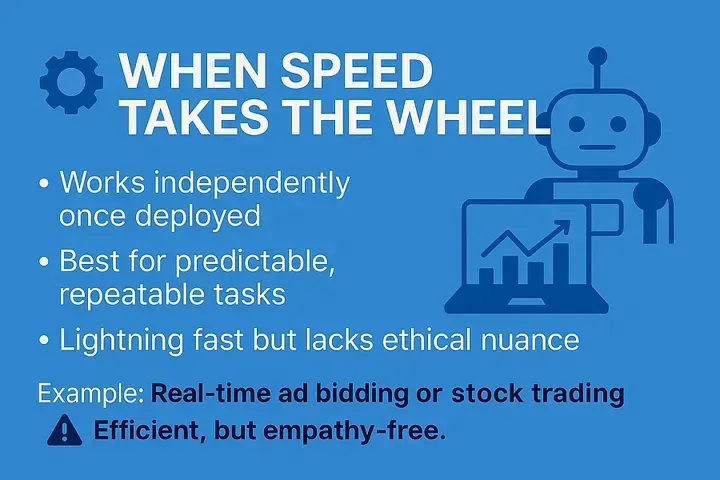
Once you set it up, it just… runs. No check-ins. No human bottlenecks.
These systems shine in environments where speed and scale matter more than subtlety:
- Real-time ad bidding
- Stock trading
- Automated data cleanup
- Predictive maintenance
They’re insanely fast, cost-efficient, and self-correcting – but they come with a catch: zero empathy.
When something goes wrong, there’s no one to ask:
"Should we have done this differently?"
That’s the tradeoff: speed vs. nuance, automation vs. accountability.
The Middle Ground: Hybrid Intelligence
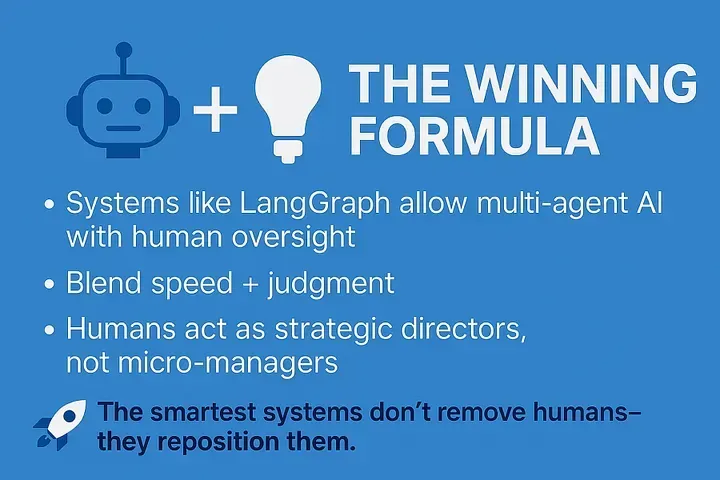
The future won’t belong to either extreme.
It’ll belong to systems that combine the autonomy of AI with the judgment of humans – where each does what it’s best at.
Modern frameworks like LangGraph are already showing us how: multiple AI agents working together under human supervision.
Think of it like an orchestra – the AIs handle the instruments, and humans conduct the symphony.
In this setup:
- AI scales work at machine speed.
- Humans guide direction, ethics, and final calls.
- The workflow continuously improves through shared feedback.
As one AI researcher put it:
"The goal isn’t to remove humans – it’s to reposition them."
So, Where Do You Stand?
Choosing between HITL and autonomous AI isn’t a technical decision – it’s a cultural one.
It depends on your risk tolerance, values, and the kind of impact you want your AI to have.
Use Cases
- Healthcare or Law: Human-in-the-Loop
- Real-Time Analytics: Autonomous
- Customer Support Automation: Hybrid
- Fraud Detection: Human-in-the-Loop
The smartest organizations know when to let AI take over – and when to step in.
Your Turn
As AI systems evolve, the real question isn’t how much AI can do — it’s where humans still matter the most.
Would you trust a fully autonomous system to run your business? Or do you believe the human touch will always have a place in the loop?
