


What Alfred Hitchcock Can Teach Us About UX Design
Imagine a world where every click, every scroll, and every interaction online is infused with suspense, emotion, and impeccable design. This world isn’t far from the vision of Alfred Hitchcock, a filmmaker who transformed the landscape of cinema with his unparalleled storytelling skills and meticulous attention to detail.
Meet Alfred Hitchcock
In the realm of cinema, few names evoke the same reverence as Alfred Hitchcock. Dubbed the "Master of Suspense," Hitchcock’s films have captivated audiences for decades with twisted plots, psychological depth, and exceptional attention to detail. His career spanned over six decades and more than 50 feature films. Classics like Psycho, Vertigo, and Rear Window weren’t just about telling stories; they were about immersing the audience in an experience — much like what we aim to achieve in user experience (UX) design today.
The Inspiration Behind Hitchcock’s Mastery
Hitchcock had a profound understanding of human psychology, which he leveraged to create complex, compelling characters. He often drew inspiration from real-life experiences and observations of human behavior. His team conducted thorough research for each film, exploring subjects like criminology, psychology, and forensic science to ensure authenticity in storytelling.
Empathy – Understanding People’s Feelings
In Hitchcock’s movies, you don’t just watch the characters — you feel what they feel.
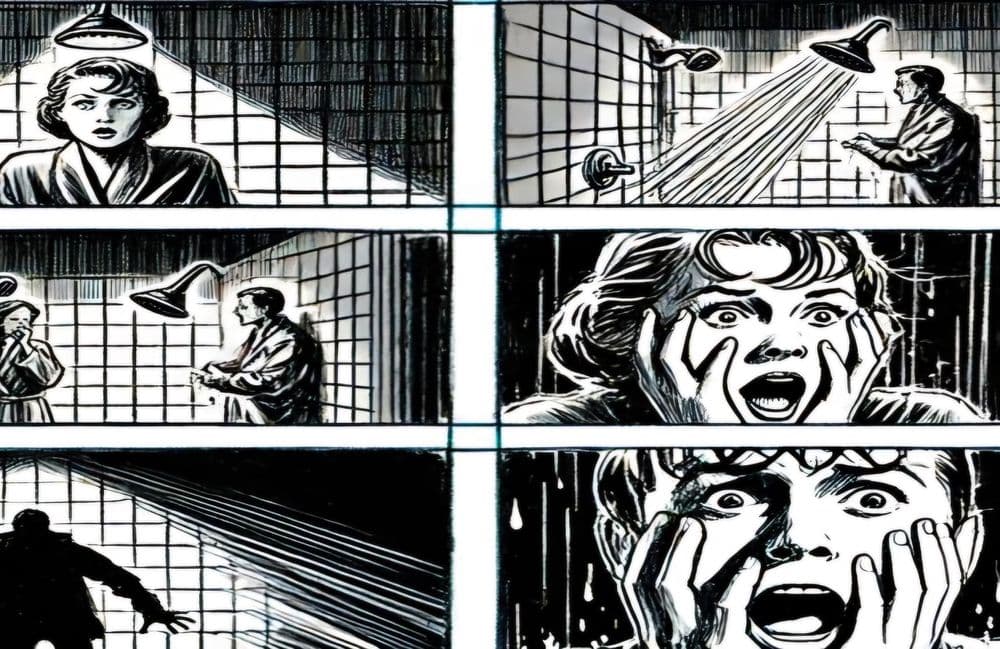
In Psycho, there’s a famous scene where Marion Crane, played by Janet Leigh, takes a shower. As she’s enjoying the shower, a shadowy figure appears. With shocking intensity, the figure attacks Marion, leading to one of the most suspenseful moments in cinema history. The audience isn’t just watching; they’re feeling her fear firsthand.
This immersion is what UX design aims to achieve. By understanding emotions, designers can craft interfaces that engage users deeply, just like Hitchcock’s scenes draw viewers into the narrative.
The Art of Storytelling
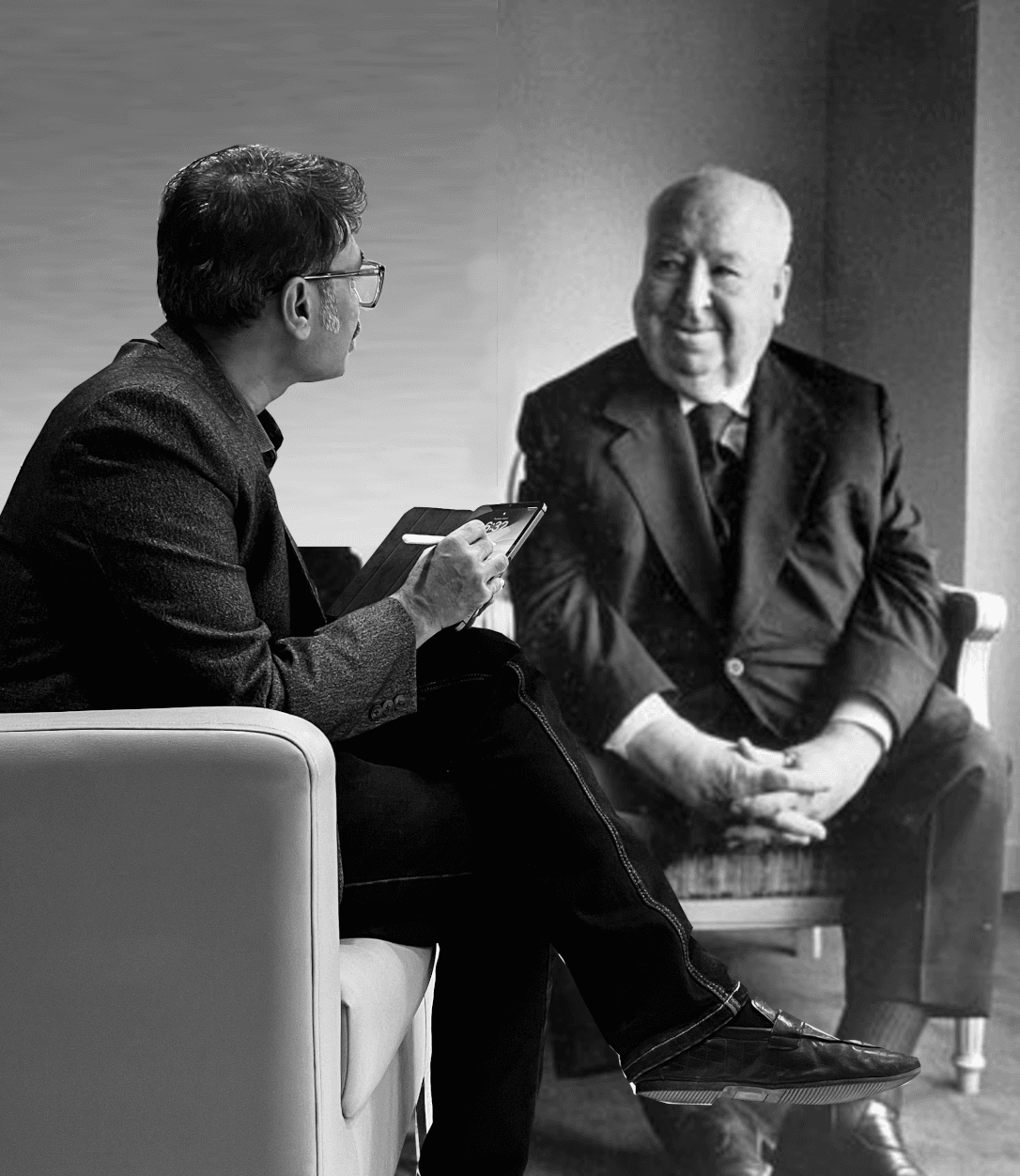
Hitchcock believed in using the camera to convey emotions, thoughts, and plot developments. How did he do that?
Hitchcock meticulously drew detailed storyboards for each film, planning every shot. This allowed him to visualize the entire movie before filming, ensuring that each scene conveyed the desired emotions and narrative effectively.
Similarly, UX designers plot every interaction, guiding users through a seamless experience. Storyboarding helps translate ideas into smooth user flows, much like Hitchcock’s planning created suspenseful, visually captivating films.
The MacGuffin – User Motivation
Hitchcock popularized the concept of the MacGuffin — a plot device that drives the story forward but ultimately holds no significance.
In UX design, the MacGuffin can be seen as the user’s primary motivation for engaging with a product.
For instance, in an e-commerce platform, the MacGuffin could be the pursuit of the perfect item. The design must then focus on elements like personalized recommendations, intuitive navigation, and seamless checkout, ensuring that users remain engaged throughout their journey.
Building Suspense in UX
Suspense is a hallmark of Hitchcock’s storytelling. Every scene is designed to leave viewers on the edge of their seats, eager to know what happens next.
Similarly, in UX design, suspense can be replicated through engaging interactions.
Imagine using a recipe app where each step builds anticipation, gradually revealing ingredients and instructions, maintaining the user’s interest until the dish is complete. This controlled flow of information keeps users engaged, just as Hitchcock’s scenes keep viewers hooked.
The Interface – Directing Attention
Hitchcock’s mastery of camera techniques mirrors user interface (UI) design principles. From wide establishing shots to close-ups, both mediums use focus and framing to guide attention and evoke emotion.
Subtle actions like hand movements in Hitchcock’s films function much like micro-interactions in UI design, enhancing user engagement. Smooth transitions, blurred backgrounds, and expressive visuals all align with UI strategies to:
- Maintain user interest
- Minimize cognitive load
- Highlight essential information
Just as Hitchcock told stories visually, effective UI design communicates narratives through intuitive interfaces, making the user journey clear, engaging, and memorable.
Conclusion
Alfred Hitchcock’s visionary approach to filmmaking offers profound insights for UX designers. By mastering visual storytelling, building suspense, paying attention to detail, and empathizing with users, we can create delightful digital experiences. Just as Hitchcock left a mark on cinema, we too can leave a lasting impact on our users by embracing these timeless principles.
In the spirit of Hitchcock, let us design with the precision of a filmmaker, crafting experiences that are not only functional but also deeply engaging and emotionally resonant. As we do so, we honor his legacy and push the boundaries of what user experience design can achieve.
