
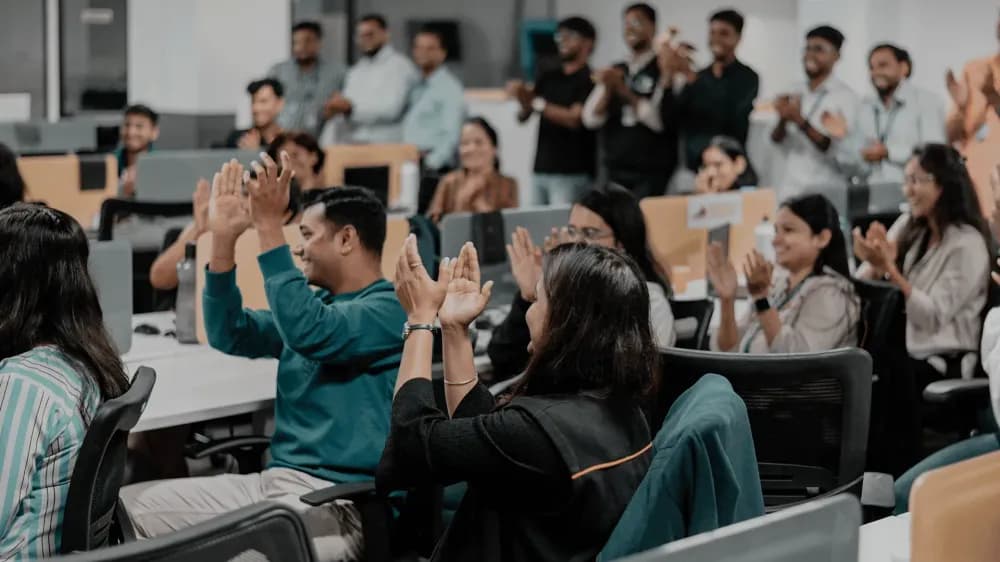


The Software Delivery Engine
The software delivery process begins the moment an idea for a new system or solution is born and continues through building, maintaining, and ultimately solving a problem for the end user.
Given the complexity and magnitude of impact it causes, it’s no surprise that this software delivery engine comprises many stakeholders along its way, all forming a key part of the puzzle. The success of this software delivery engine is a result of a delicate dance of coordinated efforts from all involved.
Culture Matters

Nothing happens in a vacuum. The culture and environment surrounding every stakeholder play an equally important role in this value chain. An organization’s culture is the shared values, attitudes, behaviors, and standards that make up a work environment and drive everyone toward the same goal.
The challenge arises when an organization and its partners are merely focused on execution without value addition. How to ensure there is incremental value add throughout the software delivery process?
The Role of an Empowering Culture in the Software Delivery Process
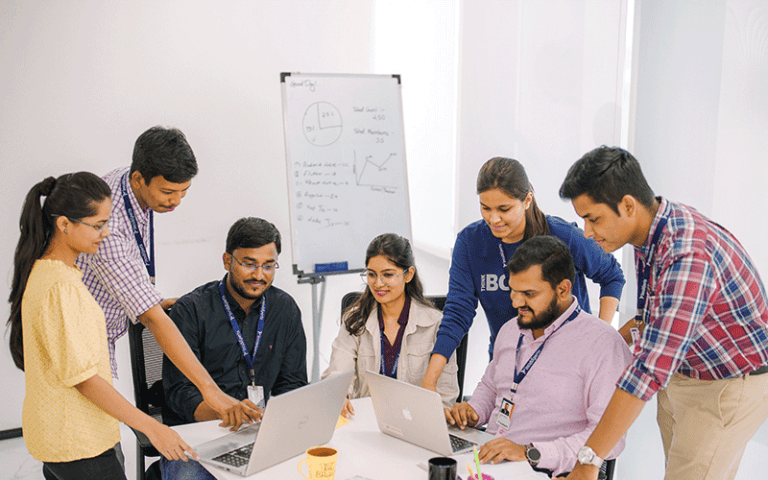
A culture is empowered when everyone, irrespective of age, experience, job role, and background, has a voice and can put forth their opinion without any worry. An empowered culture encourages asking questions, understanding specifics, and knowing the bigger picture. The cornerstone of any business, including those involved in the software delivery chain, is to understand the larger picture (business intent) and solve problems. An empowered culture ensures that if people are putting their best foot forward to solve business problems, they will be assured of sustained growth, which creates a positive feedback loop, in turn multiplying value and enhancing quality delivered.
Fostering an empowering culture emboldens every player to have a say in the process and, in turn, add tremendous value.
Putting Our Money Where Our Mouth Is – How We Ensure an Empowering Culture
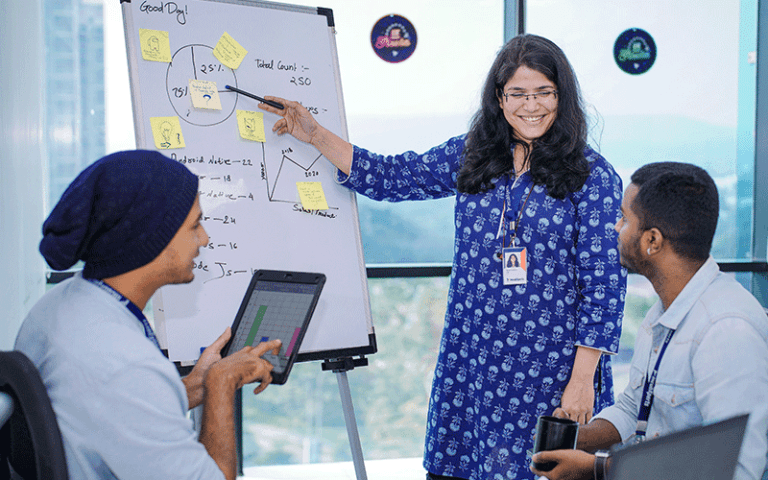
We believe that every player in the game working to add value within the software value chain has every right to understand the requirements and the business intent behind what is to be built and delivered.
For an empowering culture nurtures the aptitude to understand business, which ultimately helps one deliver better.
For every stakeholder, every team member, this empowerment can come in different forms:
-
Project Managers: In an empowered culture, a project manager or business analyst has equal rights and responsibilities to add value to the engagement. They will have a thorough grasp of the business intent and contribute on a strategic level. Going a step further, a project manager can truly leverage their understanding of the business intent to provide consultative value addition, going beyond the mere scope of the project.
-
Team Leads: An empowered team lead will own the design aspects of the project and ensure that the applications are designed for scale. A lead aligns with the set standards and ensures that these standards evolve as the software matures.
-
Developers: From the lens of empowerment, a developer will strive to understand the vision of the undertaking and attempt to add value. They will ask questions like “Why?”, “How?”, and “What?”
-
Quality Analysts: Empowerment for a QA’s perspective involves understanding requirements, objectives, and looking at the application from the end user’s perspective. An astute QA will be mindful of negotiable and non-negotiable requirements (functional as well as non-functional).
Building and Maintaining an Empowering Culture

Our years of experience and learning across domains, organizations, and cultures have helped us understand what truly makes for an empowering culture and how to implement it across the length and breadth of the organization.
We have introduced several initiatives to uphold our learnings:
-
Leadership Nexus: A periodic meetup event where mid-management and leadership get together to exchange thoughts and learnings about organizational goals, strategy, and culture. The nexus is a way of readying upcoming leaders and helping the current leadership uphold the vision and culture across the organization.
-
Raw Diamonds: A mentorship initiative that identifies bright young talent with untapped potential and helps mold them for future roles and responsibilities.
-
Tech Circle: A technology-focused event where technical leads and senior engineers get together to discuss advancements, learnings, and technology-related challenges. The aim is to inculcate mutual learning, foster growth, and stay up-to-date with technological advancements.
-
Mentorship: Every new employee is paired with a mentor who guides and helps them get accustomed to the new environment, ensuring that every new team member can easily assimilate into the organization’s culture and is empowered to grow and perform from day one.
-
Performance Review System: A data-driven, unbiased PRS that acts as a holistic review system. It considers several result areas and draws helpful insights. It is designed not only to identify areas of improvement but also as a reliable source of data to design training programs, identify and mentor performers, and track growth over time.
-
Interviewer Mentoring: The Performance Review System is implemented not only within the organization but also during the hiring process. This helps ensure that the same parameters are considered while hiring a new employee, ensuring a seamless cultural fit. We regularly train and mentor our interview panel to identify key traits required to join our team.
By implementing these initiatives, we foster a culture that empowers every stakeholder in the software delivery engine, driving value and ensuring predictable outcomes.
Conclusion
The importance of an empowering culture when it comes to the software delivery chain is often underrated and certainly a great differentiator. Not only does it ensure seamless execution but helps add unlimited value throughout the life of a project. An empowering culture is certainly something you can lookout for while engaging with a technology delivery partner. Rest assured; you will end up deriving a lot of value from the collaboration.
But is an empowering culture enough?
We have come to discover that coupled with a culture that empowers, there are three other ingredients which play a great role in the software value chain. Want to find out? Read this piece by our Co-founder, Anish.
